

Experts Weigh In on AI’s Role in Programming
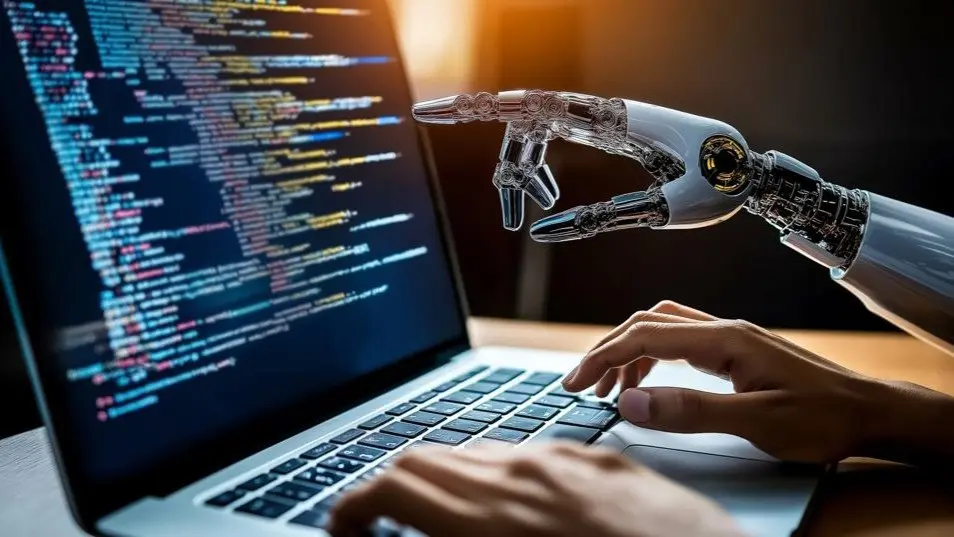
As artificial intelligence continues to advance, one of the hottest questions in the tech world is whether AI will eventually replace human programmers. Tools like GitHub Copilot, ChatGPT, and other AI-driven coding assistants have already changed how developers write, debug, and optimize code. For some, this innovation signals a future where machines may handle large portions of software development. For others, it simply represents the next evolution in the programmer’s toolkit—a powerful assistant, not a competitor.
Many experts agree that while AI is rapidly improving, the notion of it fully replacing programmers is still far from reality. Dr. Lena Hoffman, a computer science researcher at Stanford University, emphasizes, “AI can generate code, but it doesn’t truly understand code. It doesn’t have intuition for design, user needs, or long-term architectural implications.” This distinction—between pattern recognition and genuine problem-solving—remains a key reason why human expertise is still indispensable.
AI models excel at learning from massive repositories of code, identifying patterns, and suggesting snippets that solve common problems. They can automate repetitive tasks, accelerate debugging, and even assist with documentation. However, AI currently struggles with the creativity, critical thinking, and contextual awareness required to design entire systems from scratch.
Software engineer and tech author Rajesh Patel observes, “We’re moving toward a phase where programmers shift from writing every line by hand to becoming curators and orchestrators of AI-generated code.” In other words, the future programmer’s role might resemble that of an architect more than a builder—guiding AI systems to produce high-quality results while ensuring code reliability, security, and ethical compliance.
What’s also becoming clear is that AI can be a great equalizer. By lowering the technical barriers to entry, it enables non-programmers to automate tasks and build prototypes without deep coding knowledge. Yet, professionals argue this democratization doesn’t eliminate the need for skilled developers—it merely broadens the scope of who can participate in software creation.
The consensus among technologists is that AI will dramatically change the way programming is done, but not necessarily who does it. The most effective programmers of the future will be those who understand how to collaborate with AI tools efficiently and responsibly.
The Future Landscape of Jobs in the IT Industry
The rise of AI will inevitably reshape careers across the IT sector—but not in the apocalyptic way some fear. Instead of mass job losses, most analysts foresee a transformation in job definitions, skill requirements, and workflows.
In the coming decade, the IT industry is likely to experience a shift toward hybrid roles. Programmers, data scientists, and system architects will need not only strong coding skills but also fluency in AI concepts—such as model training, prompt engineering, and data ethics. Jobs that involve critical thinking, human-centered design, and communication with stakeholders are expected to remain in high demand.
Automation will certainly take over certain routine tasks like testing and code generation. This could reduce the need for junior-level coders in some areas, but simultaneously create opportunities for advanced developers who can design, customize, and oversee AI systems. AI maintenance, security, interpretability, and bias mitigation will become vital specializations.
Another dimension of change will be the globalization of talent. With AI tools standardizing many coding practices, companies may place more emphasis on creative problem-solving and domain-specific knowledge than on raw programming output. This trend may lead to a more dynamic and flexible workforce, blending technical and strategic expertise.
Dr. Hoffman summarizes it well: “AI won’t replace programmers—it’ll replace the programmers who refuse to evolve.” The message is clear: adaptability will define career success in the new digital landscape. Employees who embrace AI as a collaborator, learn continuously, and focus on higher-level innovation will thrive.
Ultimately, the conversation isn’t about AI versus human programmers—it’s about how humans will leverage AI to build smarter, more efficient systems. The future of IT will likely be one of synergy, where creativity, ethics, and technical mastery intersect with the limitless potential of artificial intelligence. In that partnership, humans and machines won’t compete—they’ll co-create the next chapter of technological progress.
