

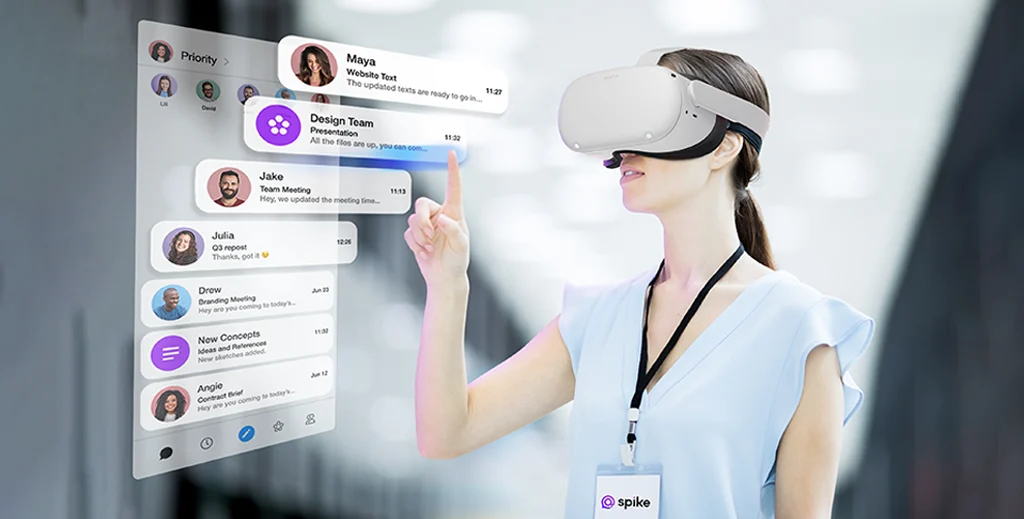
In a bold step toward shaping the next era of online interaction, Meta has officially launched a new virtual reality (VR) platform designed to redefine how people connect, create, and communicate in digital spaces. Announced at a global developer event, the platform—rumored to be the cornerstone of the company’s expanding metaverse vision—marks one of Meta’s most ambitious technological ventures since its rebrand from Facebook.
The new platform represents the culmination of years of research and investment in VR and mixed-reality technologies. It promises not only an enhanced immersive experience for everyday users but also a robust ecosystem for developers, creators, and businesses. According to Meta’s leadership, this initiative stands at the crossroads of social media, entertainment, and the next generation of workspaces, emphasizing seamless interaction across physical and digital worlds.
At its core, the platform aims to bring people closer together in ways that were once the realm of science fiction. Through lifelike avatars, interactive environments, and sensory feedback innovations, users can socialize, collaborate, or explore virtual worlds as though they were truly there. Meta’s vision extends beyond gaming or simple social chatrooms—it seeks to build a new digital frontier where presence and social identity are fully realized.
Redefining Social Interaction in Immersive Worlds
The essence of this new VR platform lies in its integration of social media with fully immersive virtual environments. Unlike previous iterations of virtual communication that relied solely on text, images, or video calls, this platform transforms engagement into three-dimensional experiences. From attending concerts with friends across continents to hosting virtual meetings that replicate real-world body language, Meta envisions a space where connection feels tangible and authentic.
One of the platform’s standout features is its interoperability. Users can transition from one virtual setting to another—say, from a personal avatar lounge to a public digital plaza—without losing continuity in their experience. This fluidity is supported by cloud-based processing and advanced AI-driven spatial mapping, which allow the environment to adapt dynamically to user input. Moreover, Meta has focused heavily on privacy and safety protocols, pledging to give users more control over their interactions and data within these constructed worlds.
The platform’s SDK (Software Development Kit) also signals a major leap forward for the creator economy in VR. Developers will be able to design and monetize experiences ranging from educational simulations and artistic showcases to interactive live events. For brands and businesses, the possibilities are immense—product demonstrations, virtual storefronts, and branded environments could revolutionize digital marketing and customer engagement.
Meta’s new VR venture arrives at a time when the boundaries between real and virtual life are increasingly blurring. As remote work, digital entertainment, and online socialization continue to evolve, the need for richer, more human-centric interfaces is greater than ever. By bridging the gap between traditional social media and the full potential of immersive technology, Meta appears determined to lead the charge toward what it calls “the next chapter of human connection.”
While the global rollout is expected to take place gradually, early testers describe the experience as transformative. Many note that interactions within the platform feel less like “using an app” and more like truly being somewhere, a sensation that reflects the company’s long-stated goal of fostering presence in digital relationships.
In essence, Meta’s new VR platform is more than just another product launch—it’s a statement of intent about the future of social media. By merging immersive realism with digital networking, Meta is betting that the next generation of the internet will be experienced not through screens, but through shared, living digital worlds that redefine what it means to be connected.
